
A few years ago I was given a Stephen King book by my brother. I had seen a couple Stephen King movies but had never read any of his books. After quickly inhaling Mr. Mercedes I immediately moved on to the next book in the trilogy, and the next, and then I was hooked. While I haven’t read them all, I’ve read 20 and am currently reading two others.
Trying to get into Stephen King but don’t know where to start? Did you read a book or two 20 years ago and you want to revisit his worlds? Well I have compiled a ranked list of my favorite Stephen King books (so far) along with a gore rating and small synopsis.
Here’s hoping you find your next dark read below!
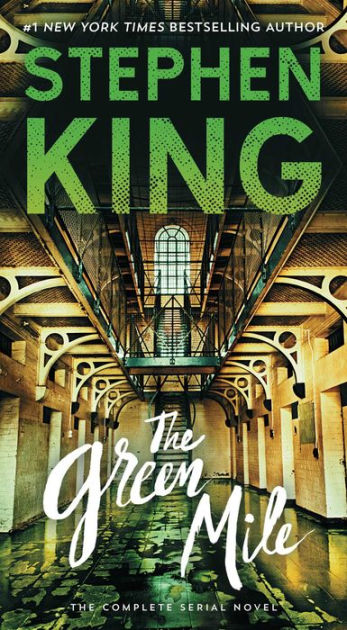
The Green Mile Complete Series
Pages: 432
Setting: Louisiana penitentiary in 1932
Gore level: low
The Green Mile is my favorite Stephen King book for so many reasons! The character of John Coffey (“like the drink, only not spelled the same”) is possibly my favorite literary character ever. He’s the stoic epicenter of this story about death row inmates waiting to walk the Green Mile to the electric chair.
Written in 1996, this book was originally released one chapter at a time to discourage people from reading the ending before finishing the book (something King mentions his mother used to do). The book explores the grey area between right and wrong through the protagonist Paul Edgecombe. Paul is the commanding officer of the Green Mile, and he runs the cellblock with compassion and respect for the men who have committed some of the most heinous crimes imaginable. When Coffey is brought to the Green Mile, Paul begins to notice that the seemingly gentle giant has some odd supernatural abilities.
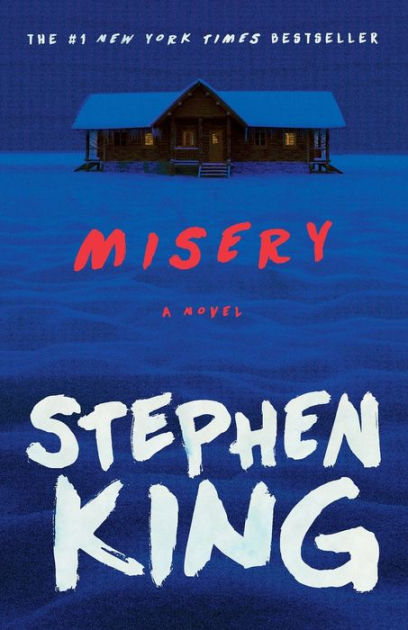
Misery
Pages: 420
Setting: small town in Colorado, 1987
Gore level: medium-high
Published in 1987 Misery is a concise work of brilliance, in my opinion. King’s complex story of power, resilience, and mind games is made all the more impressive considering the story is based almost entirely on the dynamic between two characters. The story is about a famous writer Paul who is saved from a car wreck by his number one fan Annie. Her demeanor turns sadistic when she realizes Paul has killed off the titular character of his famous book series Misery. Holding him captive, he must rewrite the book in order to stay alive.
I loved almost every moment of this book (I say almost because there was one graphic scene I almost couldn’t get through). This book is an intense thrill ride that will have you on the edge of your seat until the final page.
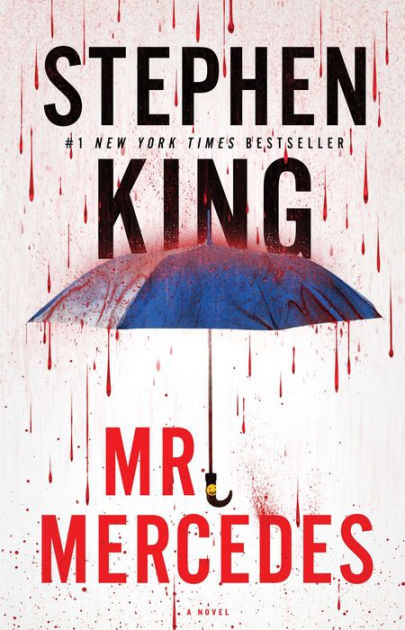
Mr. Mercedes (Bill Hodges Trilogy #1)
Pages: 436
Setting: Toledo-like city in northern Ohio, present day
Gore level: medium
This was the first Stephen King book I ever read! Mr. Mercedes is about a retired detective Bill Hodges who is being harassed by an unknown mass-murderer he was never able to catch. This murderer killed a bunch of people in what is now referred to as the Mercedes Massacre. In true King fashion, both the protagonist and antagonist are complex nuanced characters that keep you engaged from start to finish. Bill unofficially comes out of retirement to stop this mystery killer, who refers to himself as Mr. Mercedes, before his next mass-murder can be carried out. Bill pulls together a ragtag team to assist in his efforts, and each character adds a delightful and unique voice to this story. This book is a race-against-the-clock page-turner is one of my favorite King books.
Pet Sematary
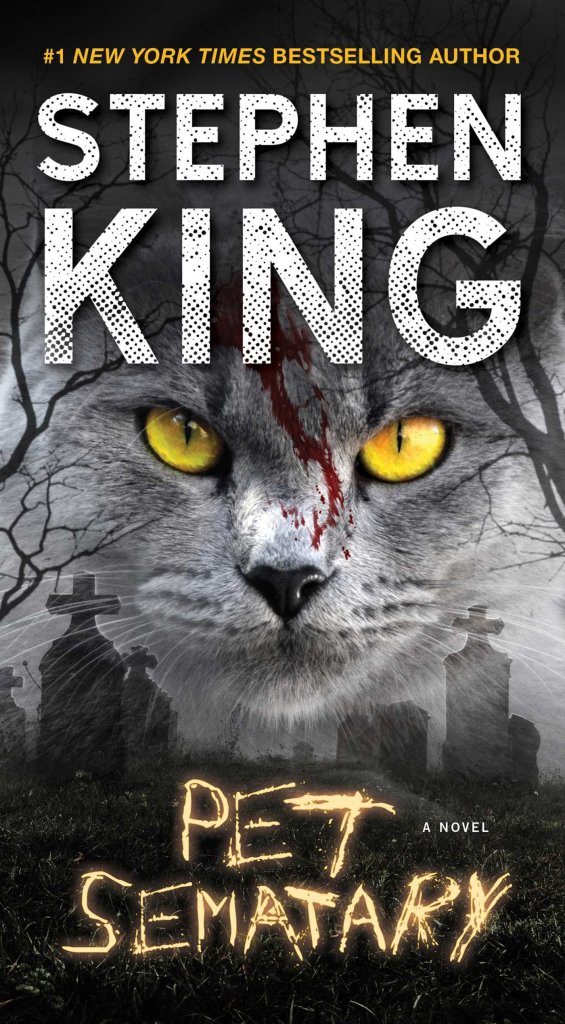
Pages: 373
Setting: a house in the country in 1989’s Ludlow, Maine
Gore level: high
Pet Sematary is a classic King novel. In the forward of this book, King talks about how he wrote this book never thinking it would see the light of day. He felt he had crossed some lines with the content in this novel, so upon finishing it he threw it in a drawer and forgot about it. Flash forward a few years to when he decided to switch publishers, King owed one final book to his old publisher before he could contractually move on. He offered them this book, not thinking it would successful given its dark subject matter (you know a book is messed up with King thinks it’s too grim).
This book is messed up. No way around that fact. The Creed family moved from Chicago to a small town in Maine. Their new friend and neighbor, Jud Crandell, shows the family a pet cemetery located in an isolated area behind their home. It’s believed that anyone buried here will come back to life. Louis Creed tests this theory when their beloved cat Church dies suddenly. Basically all hell breaks loose, and you’ll constantly find yourself screaming at Louis to STOP THE MADNESS.
Bonus: if you listen to the audio book, it’s narrated by Micheal C. Hall of Dexter fame.
End of Watch (Bill Hodges Trilogy #3)
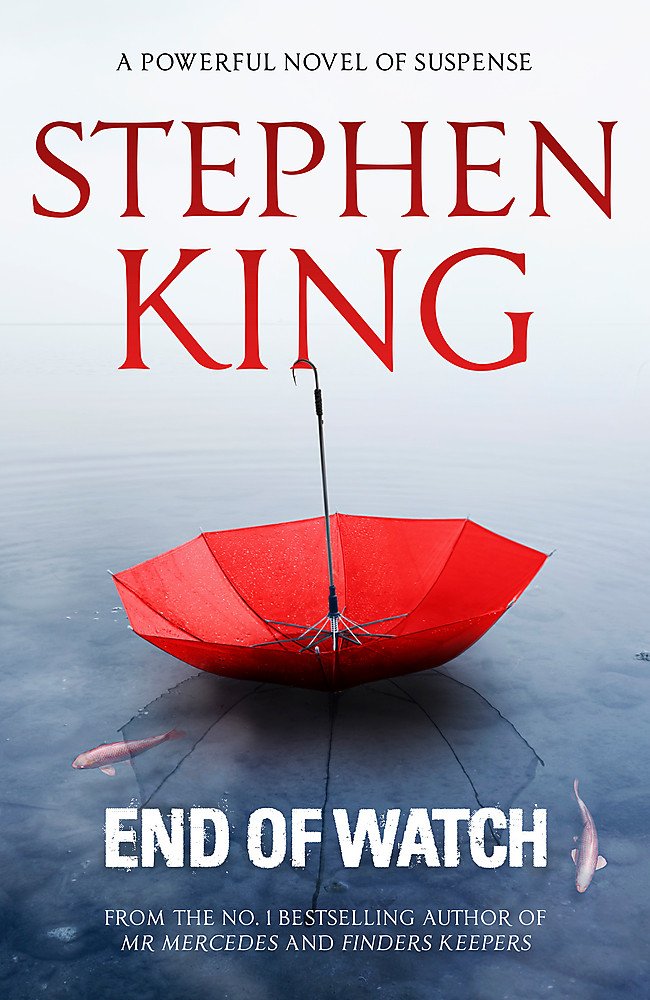
Pages: 432
Setting: Toledo-like city in northern Ohio, present day
Gore level: low-medium
This is the final book in the Bill Hodges Trilogy. End of Watch begins six years after the Mercedes Massacre and focuses on a string of suicides that seem to be linked to Mr. Merdedes himself. Without giving too much away, I’ll just say that King does an excellent job of developing his characters from the first novel in a realistic and interesting way. The central issue of this novel is mind control, which I wasn’t convinced I would be into. I was super wrong. This is a fitting end to the Bill Hodges series.
The Outsider
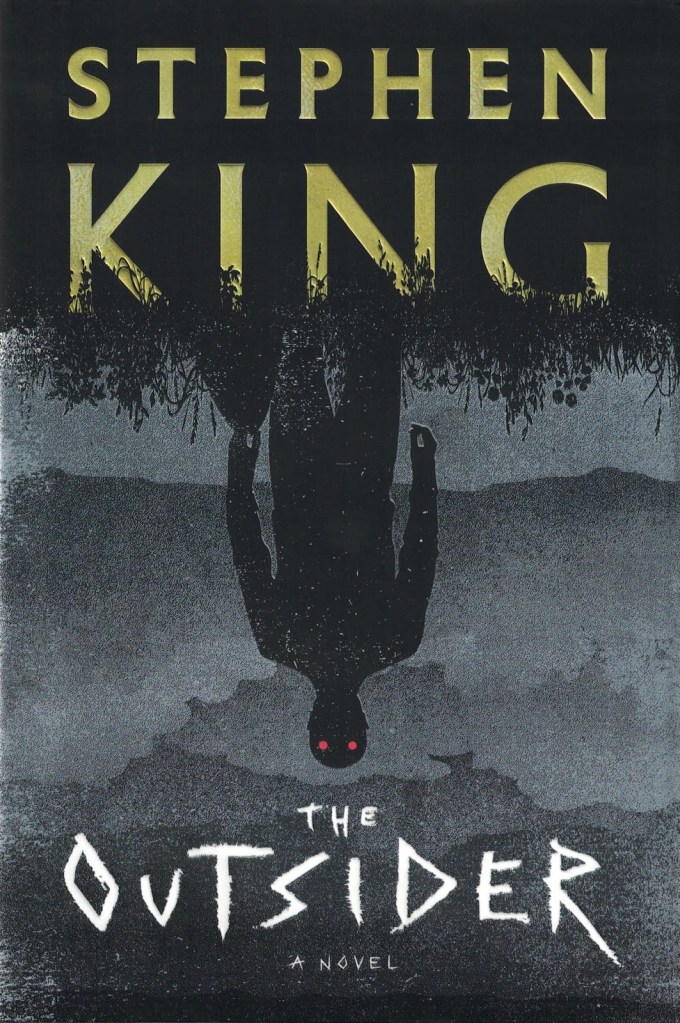
Pages: 560
Setting: Oklahoma, present day
Gore level: medium-high
The initial premise of The Outsider deals with a very upsetting and graphic crime involving a young boy. The main suspect is Terry Maitland, a beloved local teacher and Little League coach. The overwhelming evidence seems to be enough to convict him, but there’s one problem; Terry was out of town when the crime took place and he has an air-tight alibi.
This book is not what you’d expect initially, but it’s a wild ride. A fun easter egg in many King books is when he brings in characters from other books. This won’t disrupt the story if you haven’t read the characters’ book of origin, but it’s fun to watch to worlds collide if you have.
Finders Keepers (Bill Hodges Trilogy #2)
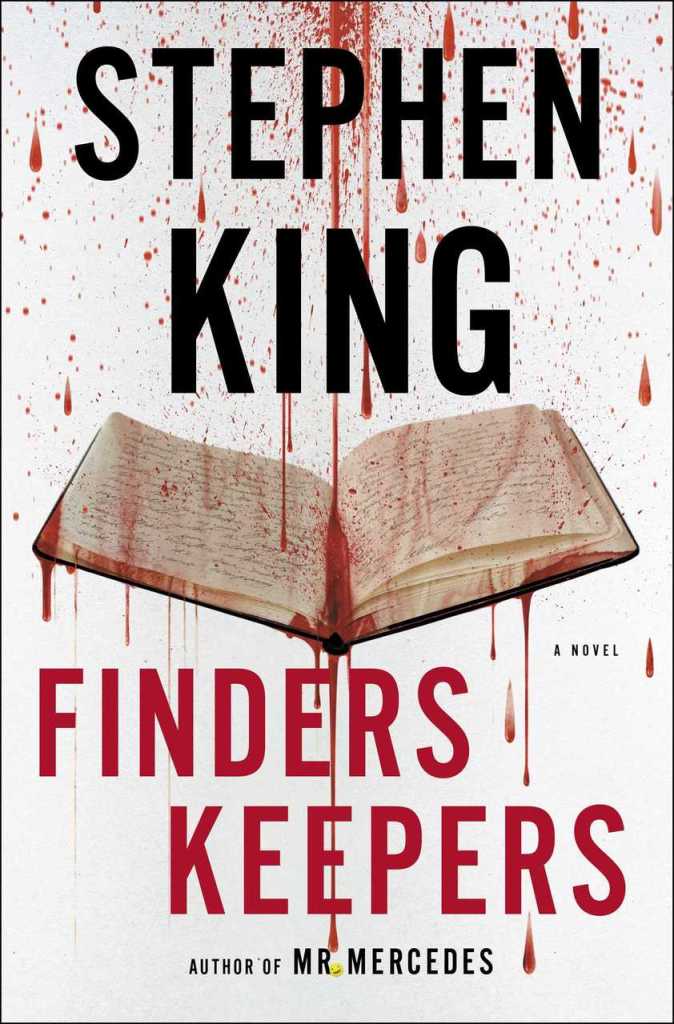
Pages: 434
Setting: Oklahoma, present day
Gore level: medium-high
The second book in the Bill Hodges trilogy is Finders Keepers. Admittedly, I didn’t understand how this book fits into the trilogy as it seems to follow a completely different group of characters. The story begins with the murder of a famous author named John Rothstein. His unread manuscripts and loads of cash are stolen and eventually buried behind his childhood home before the murderer is sentenced to life in prison for a different crime.
Forty years later, Peter Saubers and his family now live in that home. His father was one of the victims of the Mercedez Massacre, and the family has fallen on hard times as a result. Peter finds the manuscripts and money and uses the latter to help his family. Once the money runs out, Peter tries to find a way to monetize the manuscripts. Little does he know, the murderer is out on parole and looking to reclaim his stolen goods.
I loved this book more and more with each tuned page.
11/22/63
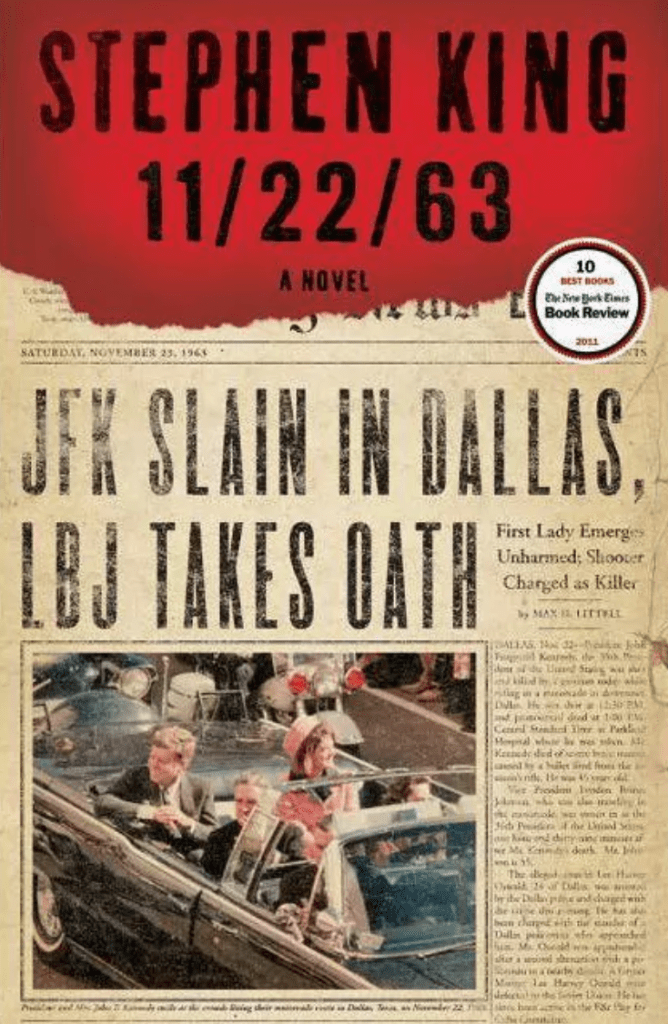
Pages: 849
Setting: Lisbon Falls, Maine, present-day (at first)
Gore level: low
The book I can never remember the exact name of! 11/22/63 is a unique take on the challenging subject of time travel. A high school teacher named Jake set off on a five-year mission to stop the Kennedy assassination. The journey can be slow in parts as King takes his time exploring 1958 through the eyes of someone accustomed to living with modern technology and customs. Ultimately I found this story to be beautiful in its lackadaisical nature, enjoying the journey.
Jake begins to observe Lee Harvey Oswald while also attempting to put down roots in Dallas, Texas. One of my favorite lines in this book is when the cliche question is answered. “Yeah, but what if you went back (in time) and kill your own grandfather?”
He stared at me, baffled. “Why the f**k would you do that?”
IT

Pages: 1,138
Setting: Derry, Maine, 1984 with flashbacks to 1957
Gore level: high
Some consider It to be one of King’s greatest works. It’s arguable the most famous, especially after the latest set of movies. It is one of King’s longest books as the story follows a group of young friends in 1957 and the story of how that summer still affects them over 20 years later. This group of 11 year-olds, known as The Losers’ Club is terrorized by It, an evil shapeshifting demon that lives in the sewers of their otherwise sleepy town. Typically this demon presents as a clown named Pennywise, but It can take whichever form will most terrify the victim.
To me, the scariest part of this story was the group of bullies led by Henry Bowers, a psychotic adolescent who leads a gang of guys who torment the Losers’ Club (there’s no respite for these kids!). Beware that this book dives deep into a lot of trigger areas including coerced sex, mutilation, sex between young kids, and of course the graphic horror that follows the demonic clown everywhere she goes.
The Dead Zone

Pages: 428
Setting: Maine, 1970
Gore level: low-medium
Even though The Dead Zone was written 30 years before 11/22/63, it has beats that feel so similar. A man who feels out of place tries to save the world…
The Dead Zone is about a guy named Johnny who unintentionally obtains clairvoyant powers. Through touch he can tell someone where their misplaced wedding ring is, if their family member will make it through surgery okay, etc. At first he is burdened by this power that seems to have ruined his life, but he eventually gives into, trying to harness it for the greater good. It’s a quick read with a flawed but loveable protagonist.
The Institute
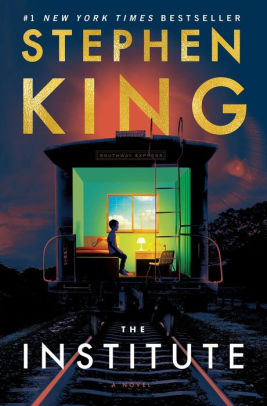
Pages: 576
Setting: Minneapolis, rural Maine, and South Carolina, 2019
Gore level: low
The Institute is one of King’s newest books. Some have accused him of proselytizing his political beliefs through this story, but the majority love this book. It’s set in modern times, which felt fresh to me since most I’ve read were written 20+ years ago. The story follows Luke, an exceptionally intelligent 12-year-old who is kidnapped from his home and brought to the mysterious Institute. What starts out as the premise of many subpar young adult fiction stories quickly escalates into a true King-built world, complete with multidimensional villains, flawed but noble protagonists, and a twisty-turny plot that will keep you engaged from start to finish.
The Shining
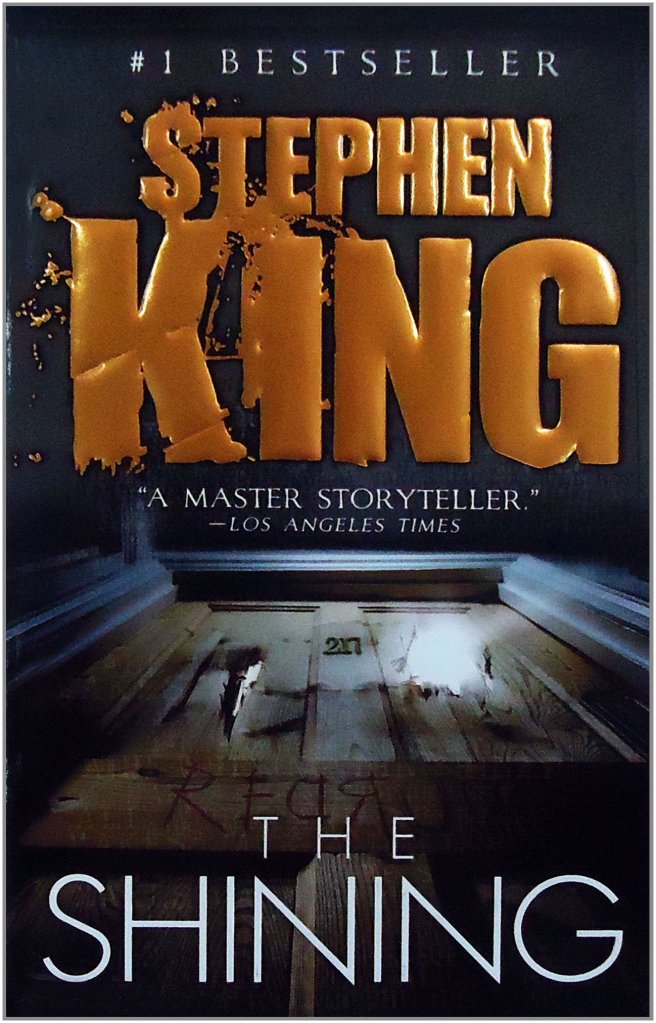
Pages: 447
Setting: Colorado Rockies, 1977
Gore level: medium
I wasn’t exactly pumped to read The Shining since I’d seen the movie as a kid and found it boring. It took only a few pages for me to completely change my mind, however. This is another quintessential King story and was in fact his third published book!
The story follows the Torrance family. Jack, the father, is a recovering alcoholic attempting to complete his novel and stay sober. He takes a job at the secluded Overlook Hotel as the winter caretaker, moving there with his wife Wendy and not-quite-normal son Danny. The Overlook is a humongous, posh hotel overlooking the Rocky Mountains, and as the Torrance family arrives most of the staff and all of the guests have departed for the year. The book dives deep into Jack’s mind and as a reader, you watch him slowly lose ground to his (to borrow from Dexter) dark passenger. It’s a chilling read and far superior to the movie in just about every way.
Rita Hayworth and the Shawshank Redemption (Different Seasons)
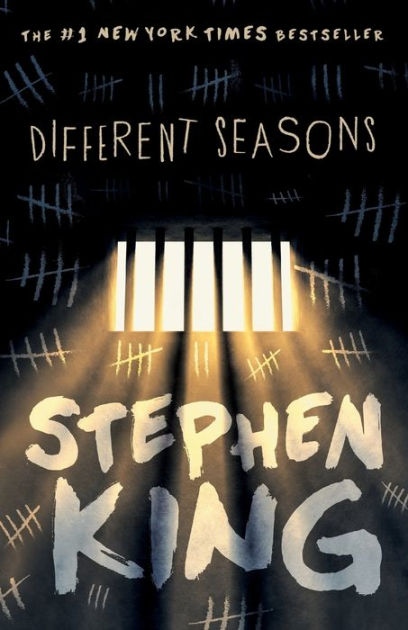
Pages: 106
Setting: Portland, Maine, 1947
Gore level: low
Some might be surprised to know that two of King’s stories, Rita Hayworth and the Shawshank Redemption and The Body (below) are both short stories in the book Different Seasons. Unlike The Shining, I grew up loving the movie Shawshank Redemption and was excited to read this story. I felt the story was almost identical to the movie but gave that extra character context that enriches the experience.
Andy is sent to Shawshank penitentiary (a jail referenced in many, many, many of King’s other works but is in fact fictional) for killing his wife and her lover in cold blood. He’s a stoic, by the numbers kind of guy, deeply intelligent and brooding. You know the type. He befriends Red, an Irishman named for his flaming hair color, and the two become good friends. We largely follow Andy’s struggles and triumphs in prison, but in case you have not seen the movie I won’t go into detail for fear of spoilers. This is a beautiful story of friendship, persistence, and redemption (duh), and well worth the short read.
A Good Marriage (Full Dark No Stars)
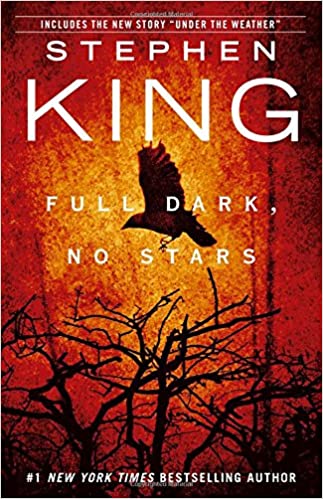
Pages: 216
Setting: Portland, Maine, 1947
Gore level: medium
A Good Marriage was right up my ally. I love a good serial-killer-is-someone-you-know plot, and in King’s hands you know it will deliver. I love how King can take a cliche plot, hold it in his open palm, and slowly but deliberately crush it until it’s unrecognizable in form.
Darcy and Bob Anderson have been married for almost 30 years. They have two successful, grown children, “a good marriage,” and appear to be well-liked members of their community. One ordinary night Bob is away on business and Darcy goes on a search for new batteries. This leads her to the discovery that her perfect husband is a completely different person than she believed all these years. This is another quick read that will pull you in and be over before you know it.
Firestarter
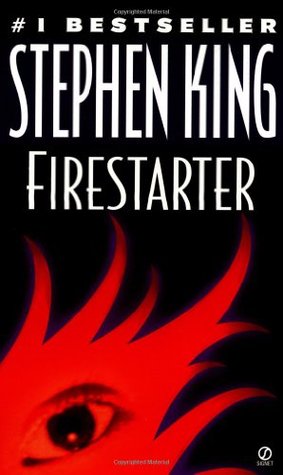
Pages: 426
Setting: New York City, Ohio, Washington D.C.
Gore level: medium
Firestarter begins with two college students partaking in a paid psych study at their school. The two meet, fall in love, and eventually, have a little girl. Pretty normal, right? Oh of course not. The psych experiment Andy and Victoria took part in was actually a bit more complicated, resulting in the development of telekinetic abilities (referred to as “the push”). Unbeknownst to them, the pair pass their ability on to their daughter Charlie. Charlie’s powers are even more powerful than her parents’ as she’s able to set things on fire with her mind (and I’m not talking about small contained sparks…). Well, now the people who gave them the powers, The Shop, want to bring them into their headquarters. This story has all the great story elements: cat-and-mouse, coming-of-age, and the exploration of the gray area between good and evil.
Carrie
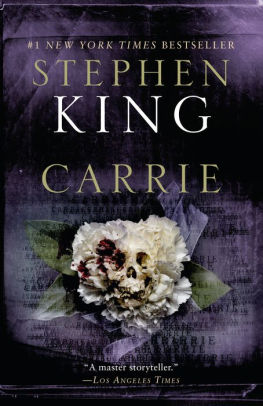
Pages: 199
Setting: Chamberlain, Maine, 1974
Gore level: medium
Did you know Carrie is one of the most frequently banned books in US schools? Carrie White is a teenage girl who is bullied at school and tormented at home by her uber-religious mother. The most painful part of this story is how close Carrie comes to finding a bit of acceptance and happiness in her life and how it’s savagely stripped away. Carrie’s journey is sad, traumatic, and at times enraging. I found the telling of this story to be compelling but slightly strange in that much of the narrative comes from news reports after the infamous prom night incident. In my opinion, this is one of King’s saddest stories.
‘Salem’s Lot
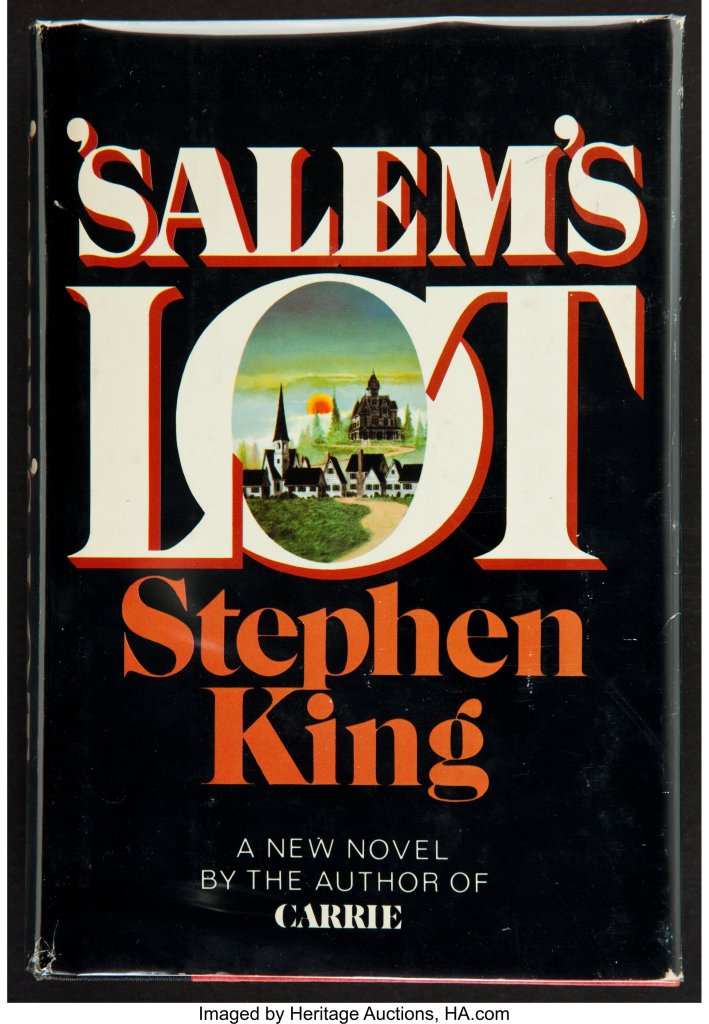
Pages: 439
Setting: Jerusalem’s Lot, Maine, 1975
Gore level: low-medium
It took me an embarrassingly long time to realize that ‘Salem’s Lot is short for “Jerusalem’s Lot,” the location of this story. I didn’t love this story, but I really wanted to! This is King’s second novel, and many consider it to be one of his best. Many find the book terrifying in its exploration of vampires wreaking havoc in a small town. I found myself putting this one down many times without the compulsion to pick it up again until I hit the halfway point.
Ben is a successful author who returns to his hometown Jerusalem’s Lot to research the dark Marsten House mansion. Hubert Masten, the epitome of evil, meets a bloody end long before the vampires eventually take up residence in his mansion. We quickly discover that the people in this town aren’t much better. We watch helplessly as an abusive mother beats her baby to get him to quiet, we discover a woman having an affair with her telephone repairman, and we’re forced to endure a sadistic school bus driver who torments his passengers. Slowly the townspeople are turned into vampires, but I think the moral of the story is that man alone is more dangerous than the formidable yet defeatable vampires.
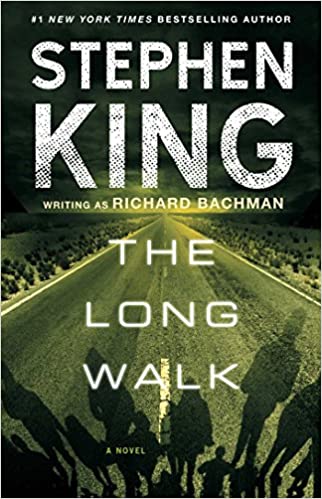
The Long Walk
Pages: 384
Setting: Presque Isle, Maine, 1979
Gore level: medium
The Long Walk is the first novel that King ever wrote, but was published almost five years later. I was originally really interested in The Hunger Games-like premise. Each year 100 teen boys volunteer to participate in The Walk in the hopes of securing a better future for themselves and their families. Contestants must walk at a pace of at least 4 mph, remain on the road, and cannot interfere with other walkers’ progress. If any of these rules are broken, the boy is shot and killed. The last boy standing wins The Prize (anything he wants for the rest of his life), though it seems many former winners don’t live long.
Our hero is Raymond Garraty, a 16-year-old from Maine. He walks on in horror as 99 competitors become fewer and fewer. This book is so simple in its premise but much darker than you might initially assume.
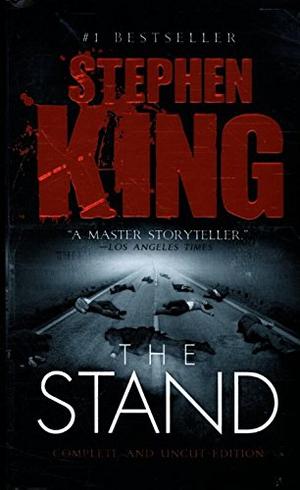
The Stand
Pages: 1,152
Setting: all over the United States, 1978
Gore level: medium-high
Ooof. The Stand is often high on people’s lists of the best Stephen King books. While I believe the story King told was almost flawless, I don’t personally enjoy apocalypse stories and was disappointed at a lack of strong female leads. I’m also horrible at keeping people straight when there are numerous main characters, so this was a tough read for me. I had to have a character wiki page open so I could cross-check characters with what happened to them earlier in the book (I recognize this is really my shortcoming, and has nothing to do with the book).
A weaponized virus is accidentally leaked to the public and the reader watches in horror as it rips through the world killing 98% of the Earth’s population (maybe a little too close to home after living through COVID-19). We follow the devastation of this virus as it slowly divides the survivors into two camps: the good, those compelled to follow a saint-like figure named Mother Abagail, and evil, those enticed by the nefarious draw The Dark Man. The unabridged version is a hefty undertaking and King’s longest book. My main issue with this story is how under-served the female characters are. For example, I loved the only true female protagonist Frannie, but she often feels like a tool used to define one character’s evilness and another’s gallantness.
Different Seasons (The Body)
Pages: 192
Setting: Castle Rock, Maine, 1960s
Gore level: low
The Body is better known as the book that lead to the movie Stand By Me. I am not the target audience for this story as I did not live through the 60s, nor have I never been an adolescent boy. Told through a flashback, The Body is a coming-of-age story about a group of 12-year-old boys, each coming from a different type of dysfunctional family. The friends hear about the disappearance and likely death of a boy from a neighboring town and set off to find his body. The story investigates the abusive families of each of the boys while they walk along the rural train tracks in the hopes of finding the body.
what’s next?
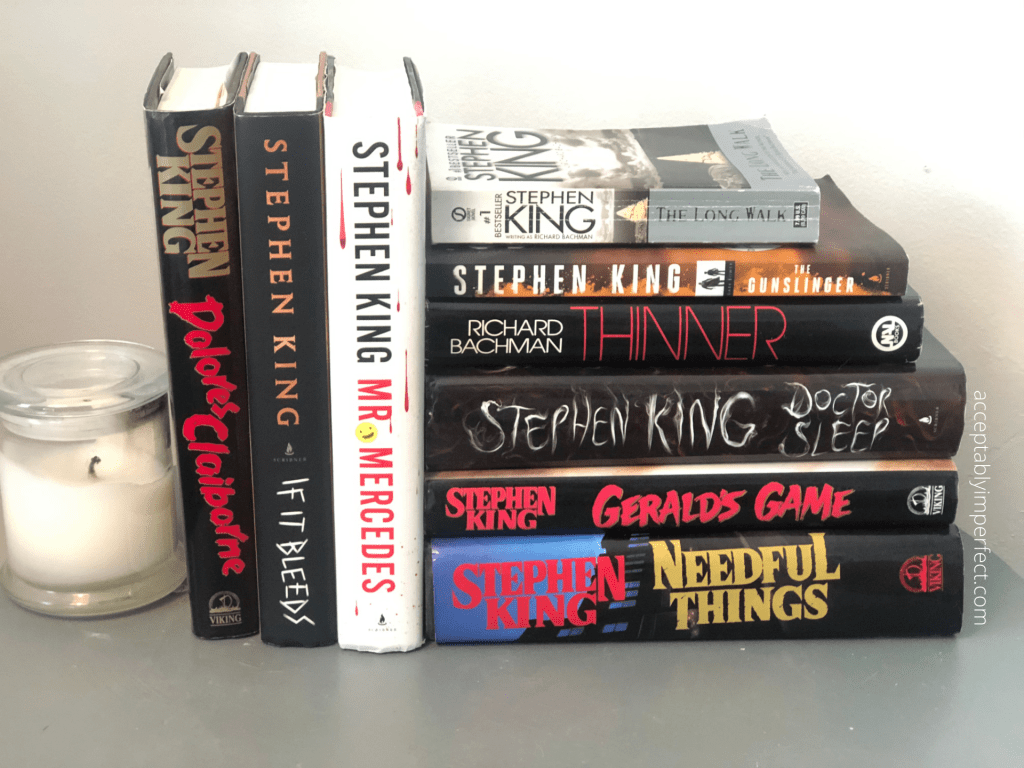
I’m currently reading If It Bleeds and Dolores Claiborne. I’ll add them to the list once I’ve finished! What did I get wrong? What should I read next? Let me know in the comments below!
to read:
Bag of Bones
Black House
Cell
Christine
The Colorado Kid
Cujo
Cycle of the Werewolf
The Dark Half
The Dark Tower Series
Desperations
Doctor Sleep
Dolores Claiborne
Dreamcatcher
Duma Key
The Eyes of the Dragon
From a Buick 8
Gerald’s Game
The Girl Who Loved Tom Gordon
If it Bleeds
Insomnia
Joyland
Lisey’s Story
Needful Things
Revival
Rose Madder
Sleeping Beauties
The Talisman
Tommyknockers
Under the Dome








 acceptably imperfect