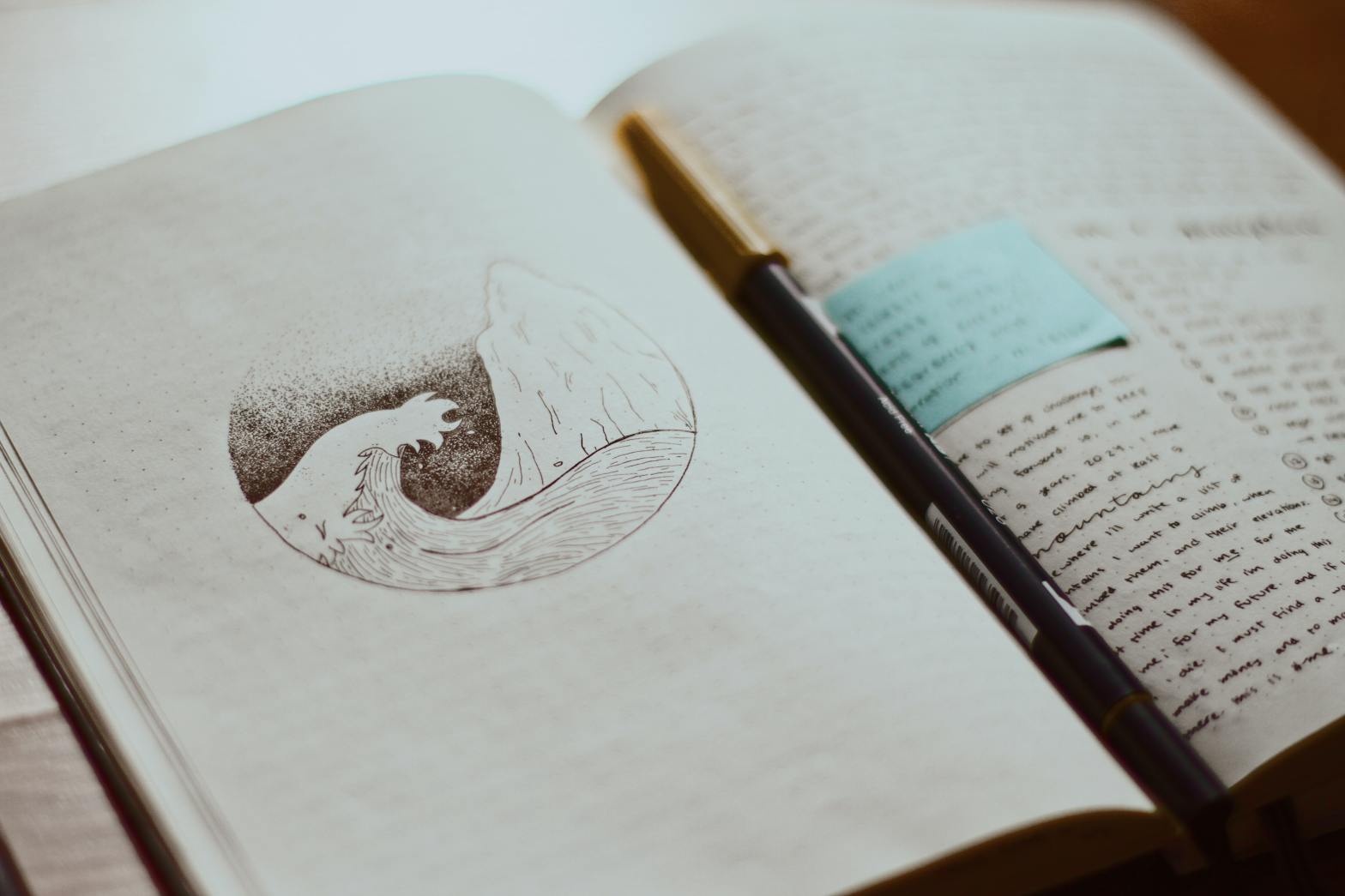
Journaling is amazing. It gets a bad rap because people think introspection is vain, frivolous, or that it takes more time than it’s worth.
I’d like to step in and not only defend journaling, but advocate for it!
A few years ago I was going through a rough time in my life. I was surviving day-to-day, but when I attempted to look back at my week it was all a blur. I decided to start writing a little bit each day to simply document what I did and my high-level thoughts. And I never stopped.
I love having a chronicle of my days. I don’t write every single day, but I try to. Even if it’s just a couple of sentences, it’s nice to check in with myself regularly.

benefits of journaling
This list could go on (and on, and on), but here are my top four:
Processing and reflecting: thinking about moving to a new city? Working through a loss? As we cogitate on impending change, it’s helpful to write about it. It might seem intimidating at first, but all you have to do is start writing. Describe the event or change as you would to a friend. Think about your most heightened emotion in this moment and attempt to describe it. Take your best guess as to why you feel that way. There’s no right or wrong, and you’ll find that this simple formula will be easier than you think. Your entry may be as simple as, “today my best friend announced he’s moving to Antartica. I feel kind of scared for him since it’s so cold, but also jealous because I’ve never left my home state. Maybe I should plan a visit once he gets settled.” Boom. Easy as that!
Venting: when you’re going through something (a fight with your partner, trouble at work, drama with a friend, etc.) you don’t always have someone you can vent freely to. That’s where journaling comes in! When I’m overwhelmed or keyed up at work, I will take a walk and journal (via my journaling app). It lets me vent without judgement, and after I finish ranting about how unfair something is or how angry someone made me, I genuinely feel better. Like I’ve gotten all of my thoughts down on paper, so my brain can stop reeling. After journaling, I can let go of my immediate feelings and get back to work becuase I know my thoughts are captured, and I can revisit them on my drive home.
Remembering: have you ever gone on an amazing vacation only to forget all but the highlights a few years later? Did you stand up in a friend’s wedding but barely remember how the day went? I try to journal each day during vacation or the day after a large life event. I’m telling you, this is one of the best things I’ve started doing! I can look back on any trip I’ve been on in the last fews years and read a bullet list of everything I did each day, as well as who I was with and how it went. It’s really fun to look back and relive the best (and craziest) parts of a trip or major life event. Future you will be so thankful!
Checking for patterns and understanding what matters to you: the more you write, the more you have to look back on. One of the great benefits of journaling is that you can look back and assess patterns. When you’re able to write about anything, what do you write about? Do you tend to mention your dream of obtaining a new certification at work? Or how you’re worried about your dad feeling lonely? The new person you’ve been dating? When you free write often, you unleash your mind and allow yourself to fixate on whatever is most interesting or appealing in the moment. If you find you’re writing about the same thing, that might be a clue into what’s most important.
styles of journaling
Are you considering starting a journal becuase I sold you on all of the amazing benefits? If you’re interested in starting to journal, take stock of all of the different types of journaling and select the one(s) that sound fun or intriguing to you. You can do all of these, one of them, or find your own unique style.
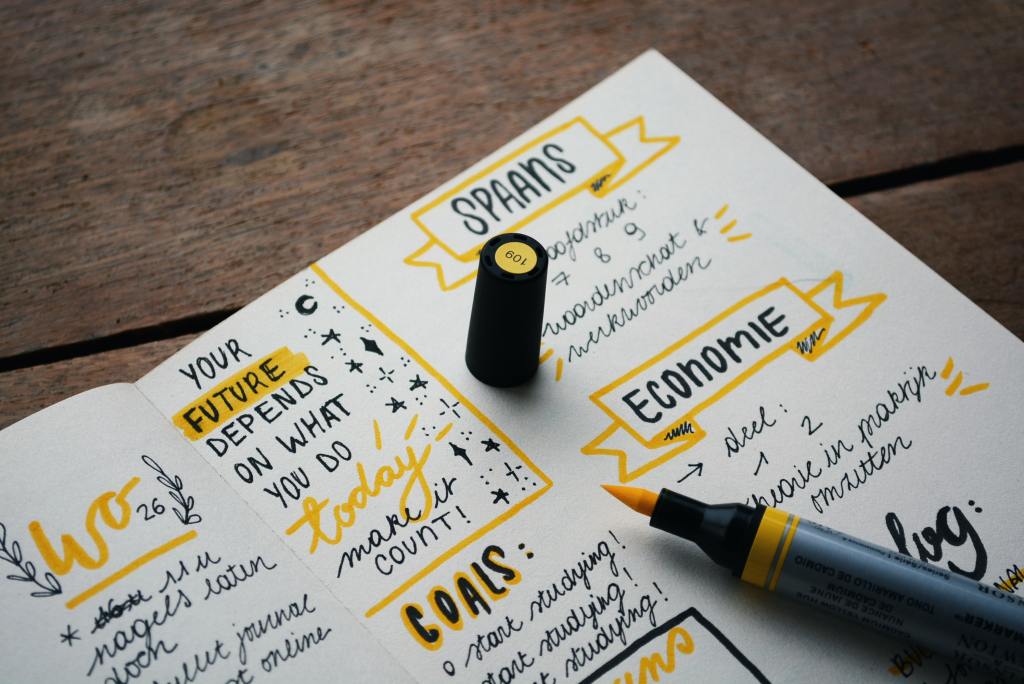
bullet journal: a bullet journal is non-intimidating catch all. You can use it to track to-do lists, remind yourself of appointments, track towards goals, and more. Bullet journals get their name in part from the dot grid style of the pages as well as the bullet-list style of your entries. The idea is not to write long paragraphs of text, but to list out your goals, your worries, your accomplishments, etc. Try this classy and simple journal or this small but beautiful set.
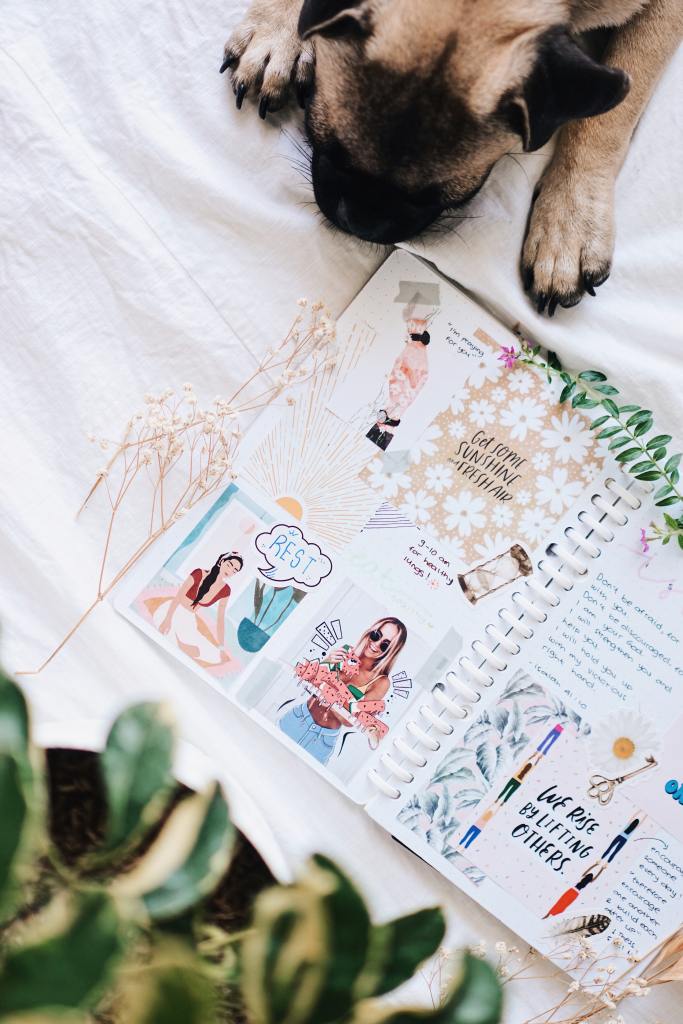
scrapbook journaling: I would call scrapbook journaling a combination of bullet journaling and scrapbooking. The idea is that you’d tape/glue items to the pages of your journal like concert tickets, dinner receipts, movie tickets, photos, invitations, fortune cookie fortunes, etc. Then you would write about the item and its associated event, people, places. This is a method of journaling I used to love becuase the object takes up a lot of space on your journal pages meaning you don’t have to write a ton. It’s also a really cool thing to have and look back on. I’d recommend a blank journal without lines and a spiral bind to allow for the expansion of the pages once you begin adding items. Check out this simple option.

prompt journaling: this is a great option if you’ve never tried journaling or if you’re worried you won’t know what to write about. You can purchase a journal with built-in prompts like “what was your favorite childhood toy?” or “describe the perfect movie-going experience.” Though maybe a tad trite, these prompts will get you thinking, remembering, reflecting, and most importantly, writing. You can select journals like this one that focus on autobiographical prompts, or like this one that’s intended to help you reflect and focus each day. If you already have a journal in mind or want to use a blank journal, you also have the option to download an app that generates prompts like Paperblanks Journal Prompts.
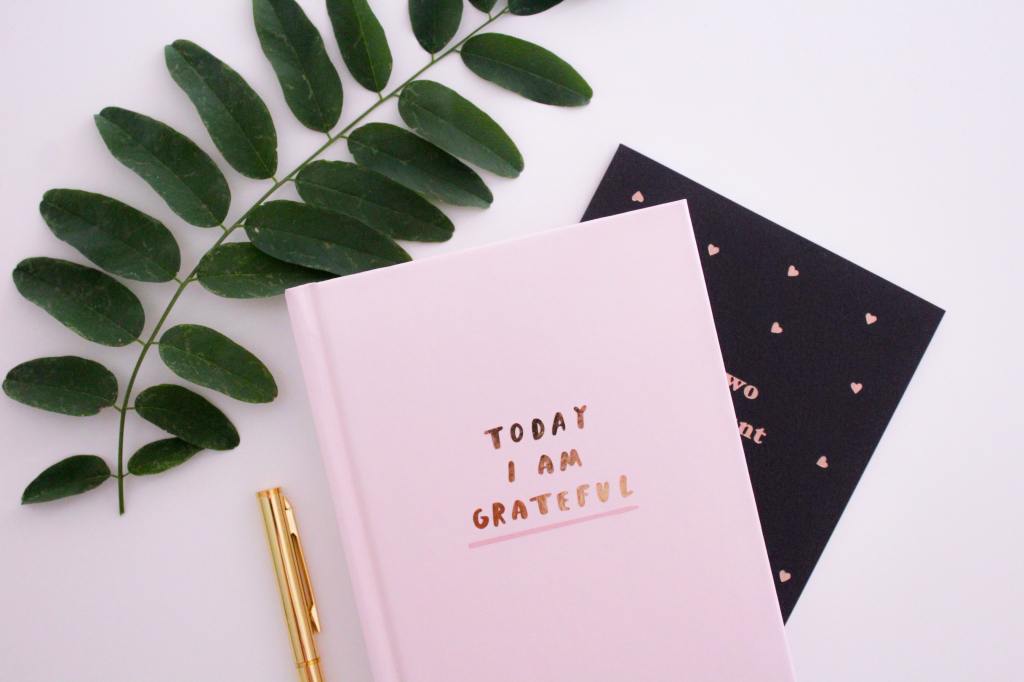
gratitude journaling: one of my favorite quotes I’ve ever heard:
“If we all threw our problems in a pile and saw everyone else’s, we’d grab ours back.”
― Regina Brett
Chances are you have a number of things in your life that you’re grateful for. If you’re interested in working on mindfulness and perspective, consider writing about the things in your life you’re thankful for. This could be as simple as making a list each day of everything you’re thankful for, or you could choose something you’re thankful for an write a bit exploring that. Your entry might start like this, “I’m super thankful to have a reliable car. My sister’s car needed to be jumped this morning, and on her way home from work her brakes started giving out. My car is reliable, and I am thankful I don’t have to worry about it starting each day. Sometimes I beat myself up for spending more on it than I should have, but times like this make me realize that a few extra dollars have given me a lot of peace of mind.”
You can use challenge yourself to come up with something new each time your write, or you could invest in a journal with prompts specifically for people who want to reflect on the good in life. This one is infused with thought-starters and quotes, but won’t be overwhelming if you find endless blank pages intimidating. I went for a less traditional (and slightly more vulgar) version with this one. Of course, there are options like this one that are much more free-form, or you could use any plain journal you want.
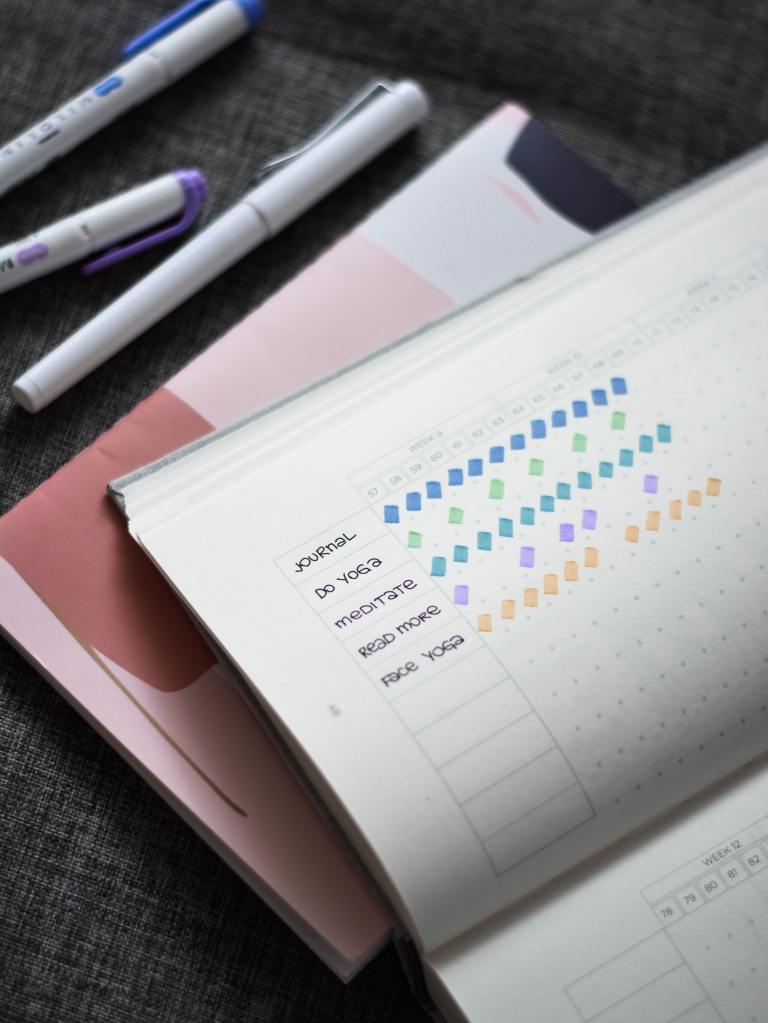
habit journaling: this is journaling with an end goal in mind. Maybe you want to drink more water, quit smoking, cut down on carbs, eliminate added sugar for a while, learn a new language, teach yourself to draw, etc. A habit journal might be the tool for you! You may have heard that it takes 21 days to build a new habit, but Gretchen Rubin of The Happiness Project notes that “according to a recent study, a daily action like eating fruit at lunch or running for 15 minutes took an average of 66 days to become as much of a habit as it would ever become.”
The best way to track your new habit is with a journal! You could nest this type of journaling in any of the other journal types listed, or you can choose to have a dedicated habit journal like this one or this one.
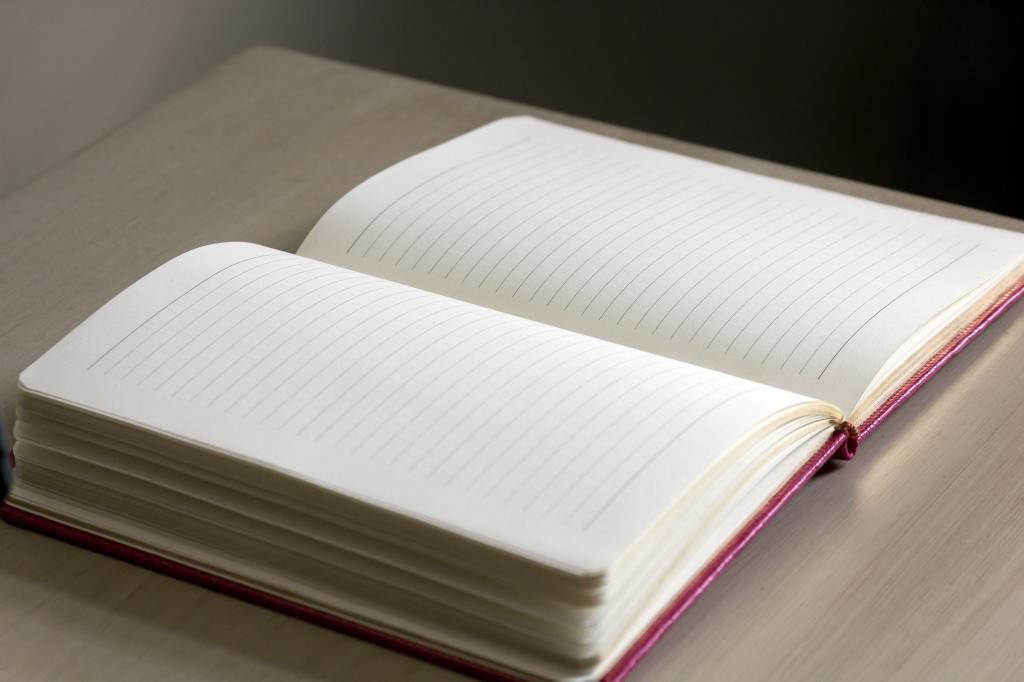
traditional journaling: journaling is it’s simplest form! This has proven to be my favorite type of journaling to do. I like the limitlessness of having blank pages to fill how and when I want to. When I started keeping a journal there was a lot going on in my life, so I wanted a judgement-free space to get my thoughts out and examine them. I opted for a small, blank journal with a fun cover (like this one or this one). Some times I would write every day for a week and sometimes I’d write three times total each month. I love being able to look back at my thoughts, activities, and analyses all these years later. In a lot of ways my old journals are time capsules from a different time, and I love being able to look back on them.
paper versus app
The two main options are paper journals or a journaling app. Let’s look at the pros and cons for each.
paper journaling

pros
- productive: it’s so much easier to focus on a blank sheet of paper without phone notifications interrupting you
- less screen time: staring at the pages of your paper journal is much easier on your eyes than staring at a screen while you write
- safer: you don’t have to worry about someone hacking into your journal. But you might have to worry about any housemates, children, or significant others taking a peak
cons
- harder to bring with you: it’s much easier to journal in line at the bank when you’re on your phone, but it’s much harder to do so with a journal you have to carry with you
- vulnerable: with a paper journal, I always worried about spilling on it, losing it in a fire, forgetting it somewhere, etc. With a phone app I don’t have to fret over those things
journaling on your phone

pros
- convenience: you probably take your phone with you everywhere, so it’s super convenient to have your journal at your fingertips whenever you have a spare moment
- patterns and analytics: some journal apps allow you to review basic trends in your writing such as your mood during certain days or times of day, the days you prefer to write, and much more
- multi-tool ability: some apps let you make entries on your phone, tablet, and laptop
cons
- security: with anything stored on a cloud, you’re running the (relatively small) risk of a data breach
- more screen time: this is a con in my book as I try to have as little screen time as possible
Final thoughts on paper vs apps: personally, the pros of the app outweigh the pros of keeping paper journals, however I’m glad I started with paper journals. Something feels really good about physically writing in an age where we write less and type more.
final tips

Try it out! There’s no shame in giving it a try. Attempt to write at least one thing each day for a month. Don’t stress if you miss a day or two and don’t think you have to fill a page. Even a couple of sentences will reinforce the positive impact journaling can have.
Start small. Choose a journal that’s smaller in size. A smaller canvas feels less intimidating since you don’t have to stress about filling up a huge blank space.
Don’t let it become a chore. This is so important. You’re not journaling for nothing, you’re hoping to get all of the awesome benefits that come with stopping, reflecting, and recording your life. If you miss a couple of days in a row, don’t worry! Sometimes I would write a single time in a month, and sometimes I’d write every day for weeks at a time. Usually I try to write at least once per week, but it varies based on what’s happening in my life.
Remind yourself of why you started. If you find yourself stressed about not having written in a while, remember the benefits of journaling and why you decided to start. It doesn’t mean you berate yourself, but remember what you get out of it will be so motivating.
Look back often. One of my favorite things to do is look back on what I wrote a year, two years, or even two weeks ago. It’s funny how easily you can step back into your mindset at the time of the entry. It’s fun to see what I was up to and how I was handling things. It motivates me to keep writing!
Pair journaling with another habit. Incorporate journaling into your other regular routines like waiting to pick kids up from practice, while coffee is brewing, right before bed, etc. The idea here is that you’re less likely to forget about journaling when you pair it with another activity you do regularly.
Purchase a journal you’ll want to use. This is huge. If you love your journal, you’ll want to spend more time with it. My first adult journal was pink with shiny gold pigs all over it. It always made me smile when I’d notice it on a shelf. Pick something that fits your style and excites you to write.
 acceptably imperfect